Click here for an audio version
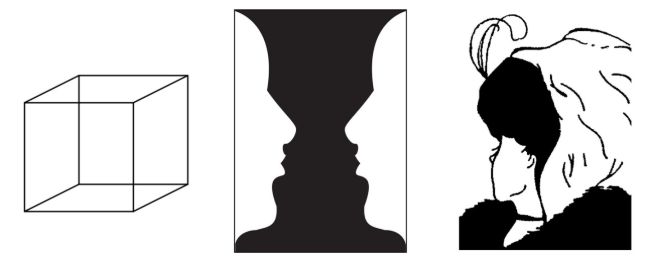
Framing is the art of presenting information in a way that shapes how an audience perceives and interprets it. It’s not just about what is said, but how it’s said. The words, tone, context, and emphasis all work together to create understanding. In the case of Republican Fan Fiction and the caste system, framing supports the context, including the norms, unwritten rules, and hidden meanings of words and phrases. This narrative construction doesn’t just describe reality—it reshapes it, making certain beliefs and biases feel natural or inevitable.
A common tool in this process is the use of dog whistles — coded language that sends a specific message to a particular group while remaining innocuous to others. Dog whistles can take many forms, from blatant signals like criticizing DEI (Diversity, Equity, and Inclusion) initiatives to more subtle cues. These subtle forms might include a side-eye, wink, or smirk when ostensibly supporting marginalized groups, signaling insincerity to those “in the know.”
Depending on the audience, phrases like “urban problems” or “family values” carry hidden meanings. While these cues may seem harmless on the surface, they reinforce divisive fantasy chains that foster exclusion and perpetuate stereotypes, contributing to a fractured social landscape.
Now, let’s talk about the word information. It was chosen with great intention. Information is not the same as fact, truth, or reality. In this context, information is anything that creates or moves a story along. It’s the words used to get others to believe a narrative. This use of information—rather than fact—is widely employed in media, politics, marketing, and even everyday conversations to guide perception and decision-making. In short, it’s used for persuasion. And, in the case of Republican Fan Fiction, it’s used for manipulation.
In my book I define Republican Fan Fiction as a narrative framework that constructs idealized, often oversimplified stories about American values, identity, and governance. These stories are carefully crafted to evoke nostalgia, fear, or moral superiority, and they serve as a lens through which complex issues are reframed to align with a specific ideological agenda. Think of it as storytelling with a side of spin—like a political version of “choose your own adventure,” but with higher stakes and fewer happy endings.
The Role of Framing in Communication
Framing plays a crucial role in how information is perceived and understood. It refers to the way an issue or story is presented, emphasizing certain aspects while downplaying others. In Savannah’s case, the framing of conspiracy theories as heroic battles against hidden evils taps into her desire to be part of something meaningful. The narratives she shares are carefully framed to evoke emotions like fear, outrage, and moral righteousness, making them more compelling and shareable. This is why her posts resonate so deeply with her audience—they’re not just presenting facts; they’re telling a story that aligns with her community’s values and worldview.
Framing is powerful because it shapes how we interpret reality. For example, a policy debate can be framed as a fight for freedom or an attack on tradition, depending on the communicator’s goals. In Savannah’s world, the framing of child trafficking as a widespread, hidden crisis—rather than a complex issue requiring nuanced solutions—makes it easier for her to feel like she’s making a difference by simply sharing posts. Understanding framing helps us see how narratives are constructed and why they’re so effective in influencing beliefs and behaviors.
Reframing the Narrative
To counter the impact of harmful or misleading frames, reframing is essential. Reframing involves shifting the perspective of a story or issue to highlight different aspects. For instance, instead of framing child trafficking as a shadowy conspiracy, it could be reframed as a systemic issue requiring collaboration between law enforcement, social services, and communities. By focusing on actionable solutions and credible sources, we can redirect the conversation toward constructive outcomes.
Reframing also involves appealing to shared values. For Savannah, her desire to protect children and be part of something meaningful is genuine. By reframing the narrative to emphasize real-world actions—like supporting local charities or advocating for policy changes—we can channel her energy into positive, impactful efforts. Reframing isn’t about dismissing concerns; it’s about offering a more accurate and productive way to address them.
Call to Action
If you’re fascinated by the power of framing and want to explore more about how narratives shape our political and cultural landscape, my book Republican Fan Fiction is the perfect next step. Delve into the stories, mindsets, and communication strategies that define modern politics, and discover how reframing can change the way we see the world.
Don’t miss out on this thought-provoking journey—order your copy of Republican Fan Fiction on Amazon today! Click here to purchase and start uncovering the stories behind the beliefs. Whether you’re a political enthusiast or simply curious about the forces shaping our world, this book is a must-read. Get your copy now and join the conversation!
 Republican Fan Fiction
Leave a comment